Blog Article
Commercial Drainage Planning in Vestavia Hills for Flat and Low-Slope Roofs
Published November 8, 2026
-8 min read
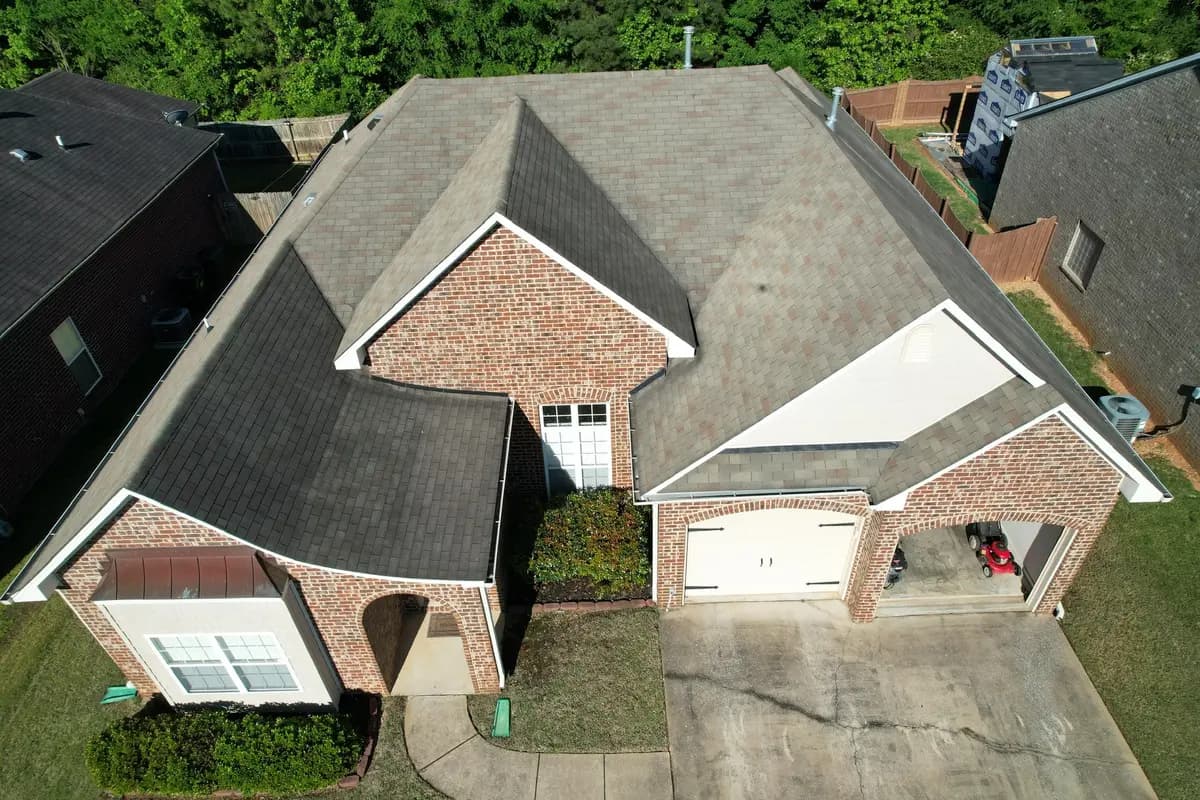
Protecting Vestavia Hills Properties From Costly Roof Flooding
Flat and low-slope roofs can work well on commercial buildings, but they leave you very little room for error when it comes to drainage. One heavy rain that cannot get off the roof fast enough can turn a calm workday into leaks, wet ceilings, and upset tenants or patients. When water ponds on the roof, the damage often shows up inside long before you see anything from the ground.
This matters across Vestavia Hills because many medical offices, retail centers, churches, schools, and office parks rely on flat or low-slope roof systems. Our local weather brings strong fall and winter rain, quick cold snaps, and wind-driven storms that push water to one side of a roof. If scuppers, downspouts, and overflow paths are not planned and installed the right way, that water has nowhere safe to go.
Good drainage planning is not only about following code. It is about knowing how storms actually hit buildings in central Alabama and how debris gathers on real roofs. As a local contractor focused on commercial roofing in Vestavia Hills and the surrounding area, we see what works over time and what fails once the weather turns rough.
Why Flat and Low-Slope Roofs Are so Drainage Sensitive
A so-called flat roof is not really flat. It has a slight slope so water will move toward drains, scuppers, or gutters. Even a small mistake in that slope, or a drain set just a bit too high, can stop water in its tracks. Over time, small dips in the deck, poorly placed insulation, or settling can create low spots that hold water after every storm.
Most commercial roofs use a mix of drainage parts that must work together as one system, such as:
-
Internal drains that pull water through pipes hidden inside the building
-
Scuppers that let water flow through parapet walls at the roof edge
-
Downspouts or leader pipes that carry water from the roof to the ground
-
Gutters that collect water along the edge and send it to downspouts
-
Overflow drains or scuppers that take over when the main drains are blocked
When these parts are not sized or placed correctly, water sits where it should not. That can lead to:
-
Roof membrane wear from long-term ponding
-
Seams and flashing loosening or pulling apart
-
Extra weight on the structure below
-
Wet insulation, mold in walls, and stained ceiling tiles
-
Interior finishes, flooring, and equipment getting damaged
In Vestavia Hills, there is another factor: trees. Pine needles, leaves, small branches, and acorns all end up on low-slope roofs. They clog drains and scuppers fast, especially in fall and early winter. Good design does not rely on perfect cleaning habits. It allows for real-world debris and still gives water a way off the building.
Designing Scuppers That Actually Move Water Off the Roof
Scuppers are simple in concept, but they must be planned carefully. A scupper is an opening through a parapet or at the edge of the roof that lets water out to a downspout, gutter, or conductor head below. On many Vestavia Hills commercial buildings, they sit at low points along the perimeter walls so water naturally finds them.
Key scupper sizing points include:
-
The square footage of roof draining to each scupper
-
Expected rainfall intensity for central Alabama storms
-
Parapet wall height and roof slope toward that wall
-
Minimum opening size so debris does not choke the flow
Placement matters just as much as size. Scuppers need to be located at true low points on the roof, not just where the drawings say a low point should be. Over time, actual low spots may shift, so we look at where water is really moving and where it is staying put.
Good scupper planning often includes:
-
Spacing scuppers around the roof so no single one carries too much flow
-
Coordinating scupper locations with downspouts and leader heads below
-
Using metal scuppers that are properly flashed into the roof and wall system
-
Adding screens or guards that are easy to access for cleaning
-
Setting scupper heights so they drain early, but not so low that wind-driven rain blows back into the building
The goal is simple: when a big storm hits, water should reach the scuppers quickly, pour out without backing up, and move away from doors, windows, and sidewalks below.
Smart Downspout and Overflow Path Planning for Storm Season
Once water exits through a scupper or internal drain, the job is only half done. Downspouts and leader pipes must be able to carry that water safely to the ground without spilling over or washing out landscaping. Each downspout should be sized for the roof area that feeds it and the kind of storms we see in this region.
Good routing usually means:
-
Avoiding sharp bends that slow water and trap debris
-
Keeping downspouts where they are less likely to be hit by cars or delivery trucks
-
Running discharge away from foundations, walkways, and entry doors
-
Planning for spots that may freeze in cold snaps so water does not create slick surfaces
Overflow paths are the backup that saves you when the primary system is clogged. These can include:
-
Secondary scuppers set a little higher than the main ones
-
Dedicated overflow drains tied into separate downspouts
-
Visible overflow routes so owners see water spilling where it should not and know to call for help
In Vestavia Hills, we also have to think about existing site drainage and sloped ground. You do not want to fix a roof issue only to push water toward a neighbor or out into a public sidewalk. Careful planning keeps runoff going to safe areas or existing stormwater systems.
Code, Insurance, and Maintenance Factors Owners Cannot Ignore
Building codes in our area speak to roof slope, drain sizing, and overflow needs for commercial roofs. While the exact rules come from the local authority that oversees permits, the ideas are similar: roofs must shed water, primary drains must be sized correctly, and there must be a way for water to escape if those drains clog.
When your drainage is designed and installed in line with code and industry standards, it often helps during storm-related insurance claims. It shows that you, as the owner or manager, took reasonable steps to keep water out of the building. Poor or missing drainage can raise questions when adjusters look at the cause of damage.
Even the best design needs steady care. A smart maintenance plan should include:
-
Regular inspections before and after the stormy seasons
-
Clearing leaves, needles, and trash from scuppers, gutters, and downspouts
-
Checking for areas of standing water a day after rain stops
-
Inspecting seams, flashings, and joints around drains and scuppers
-
Taking photos to document roof conditions and repairs over time
These steps support long-term cost control, fewer emergency calls, and a longer life for the roof membrane and insulation. They also cut down on damage to interior build-outs in offices, stores, and multi-tenant spaces that are costly and disruptive to fix.
Planning Your Commercial Roof Drainage Upgrade with Local Experts
When you manage a commercial property in Vestavia Hills, drainage planning is not just a box to check; it is part of protecting your tenants, staff, and business operations. Reviewing your roof now, before the next stretch of heavy rain, lets you deal with ponding areas, undersized scuppers, or risky overflow paths on your own timeline instead of in the middle of a leak.
A helpful way to start is to note any recent leaks or stained ceiling tiles, think about where water tends to pond on the roof, and gather any existing roof drawings if you have them. From there, a professional assessment can look at slope, scupper placement, downspout sizing, and overflow design as one connected system. For flat, low-slope, commercial, multi-family, and metal roofs, and for roofs with a history of storm damage or insurance claims, it pays to work with a team that sees these drainage challenges every day in central Alabama.
Protect Your Commercial Property With a Trusted Roofing Partner
If you are ready to safeguard your building with reliable roofing, our team at Noto Roofing is here to help you plan and execute your next project. Learn how our commercial roofing in Vestavia Hills solutions can extend the life of your roof and reduce unexpected downtime. Tell us about your property and goals, and we will provide a clear recommendation and straightforward estimate. Have questions or need to schedule an inspection soon? Simply contact us to get started.